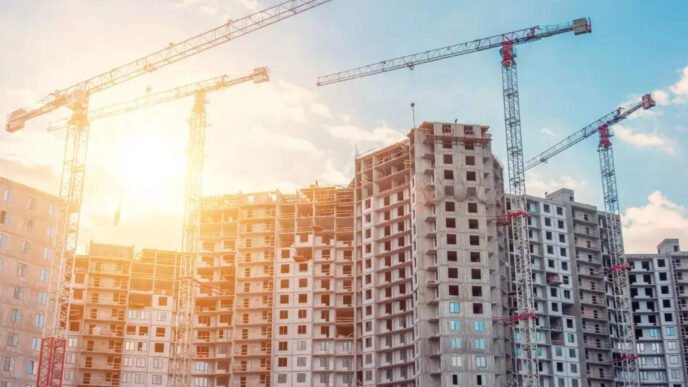
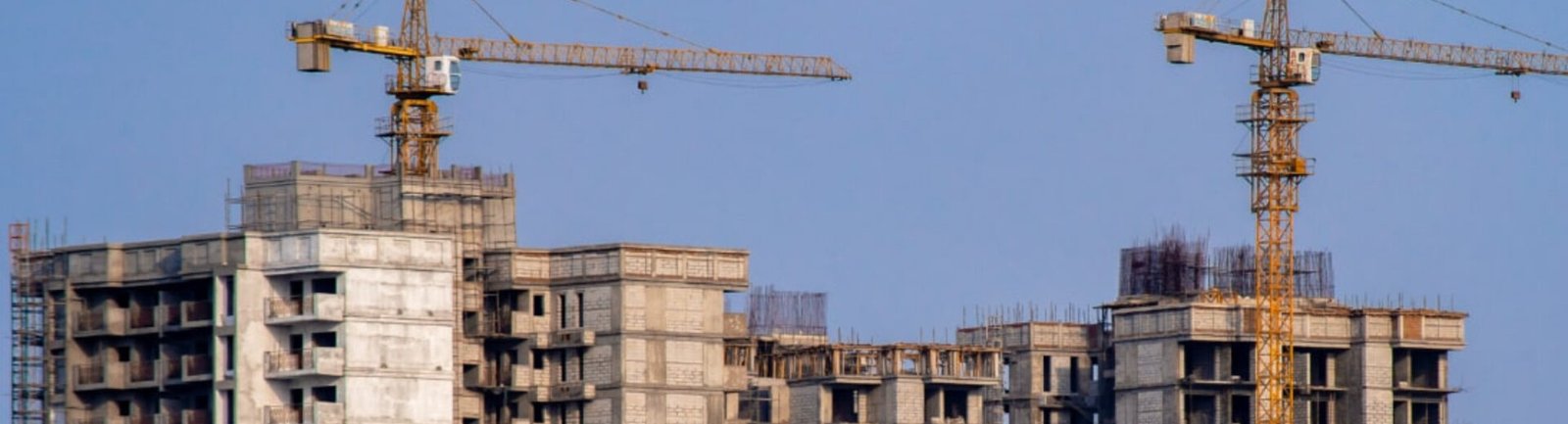

New Delhi, March 2026 – India’s residential real estate market closed 2025 with a tale of two numbers: volume moderated, but value surged to record levels. Housing sales across the top seven cities declined 14% year-on-year to approximately 3.96 lakh units, yet the total transaction value rose 6%, crossing ₹6 lakh crore for the first time — a clear signal that higher ticket sizes and premium housing are now driving the market.
This divergence is not a sign of weakness. It reflects a structural reconfiguration of buyer preferences, developer strategy, and where India’s real estate cycle is headed next.
Volume Down, Value Up and Why That Matters
After a muted price phase between 2015 and 2019, residential prices surged nearly 54% during 2019–24, aided by post-pandemic recovery, infrastructure spending, and consolidation among large developers. In 2025, price growth moderated to a healthier 8%, pointing to a more sustainable and end-user-driven market.
One of the most striking shifts has been in demand composition. Homes priced below ₹75 lakh, which accounted for nearly 60% of sales in 2021, now make up just 32% of the market. At the other end, the high-end segment’s share rose from about 12% in 2022 to 26.8% in 2025, driven by rising household incomes, sustained NRI demand, and a growing preference for larger, amenity-rich homes.
Infrastructure as the Core Growth Catalyst
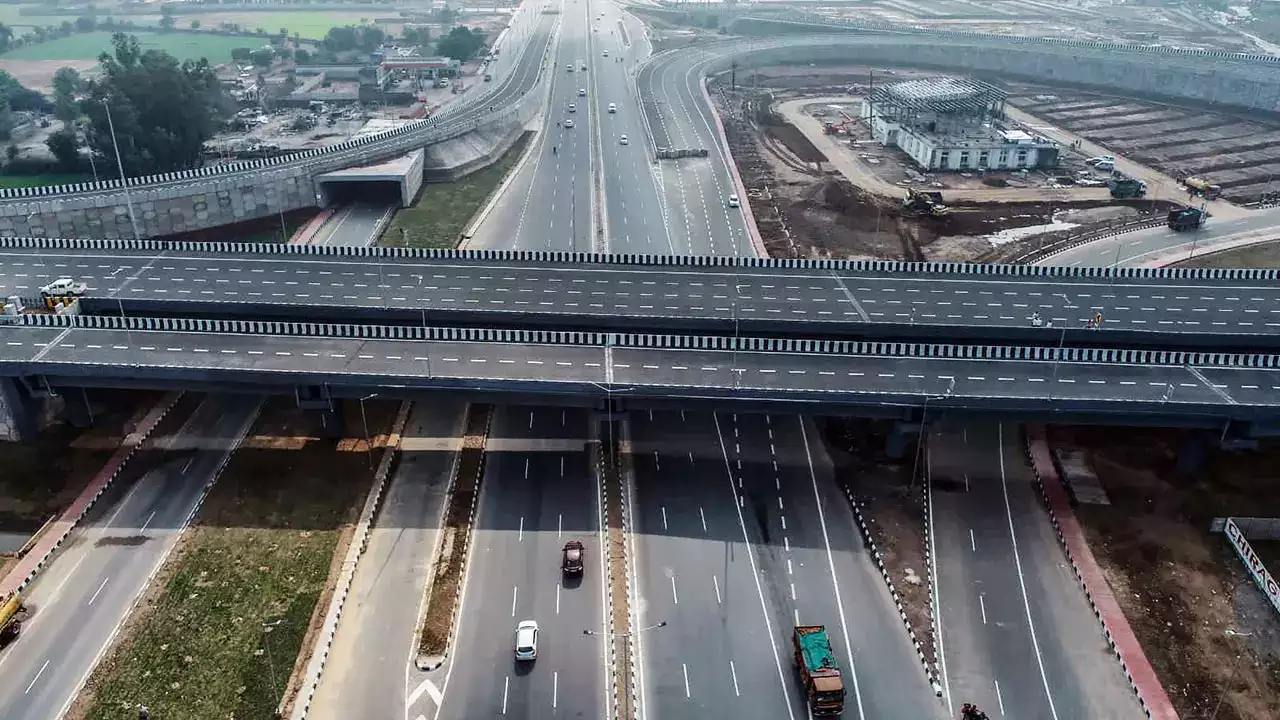
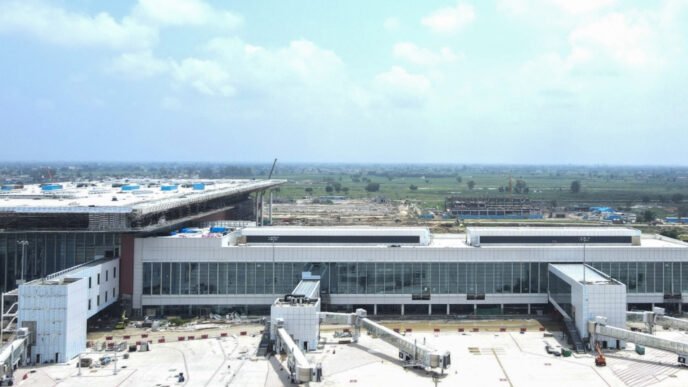
Infrastructure emerged as the most powerful growth catalyst in 2025, fundamentally altering how value is created across cities — particularly in the Mumbai Metropolitan Region. Across markets, new expressways, metro corridors, and airport projects have expanded the residential catchment areas of major cities, unlocking peripheral corridors that were previously considered too distant for end-user demand.
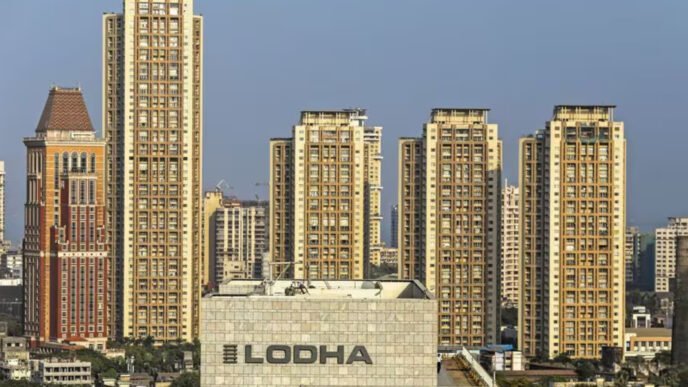
Mumbai Metropolitan Region led all cities with approximately 1.27 lakh homes sold, driven by redevelopment activity and high-end launches. Pune ranked among the strongest performers with nearly 65,000 units sold, supported by IT-led employment and infrastructure growth. Bengaluru recorded close to 62,000 units, reflecting sustained demand from technology professionals.
The Bigger Home Trend
Buyer preference for 3BHK and larger units has risen to nearly 45–50%, up from about 30% in 2018. Average unit sizes across major cities have expanded by roughly 40% since 2021, led by NCR, where home sizes have nearly doubled between 2022 and 2025.
On the supply side, the market has matured considerably. Listed and Grade-A developers now account for approximately 45% of total residential supply, up from 28% five years ago, reflecting stronger balance sheets, execution capability, and growing buyer trust.