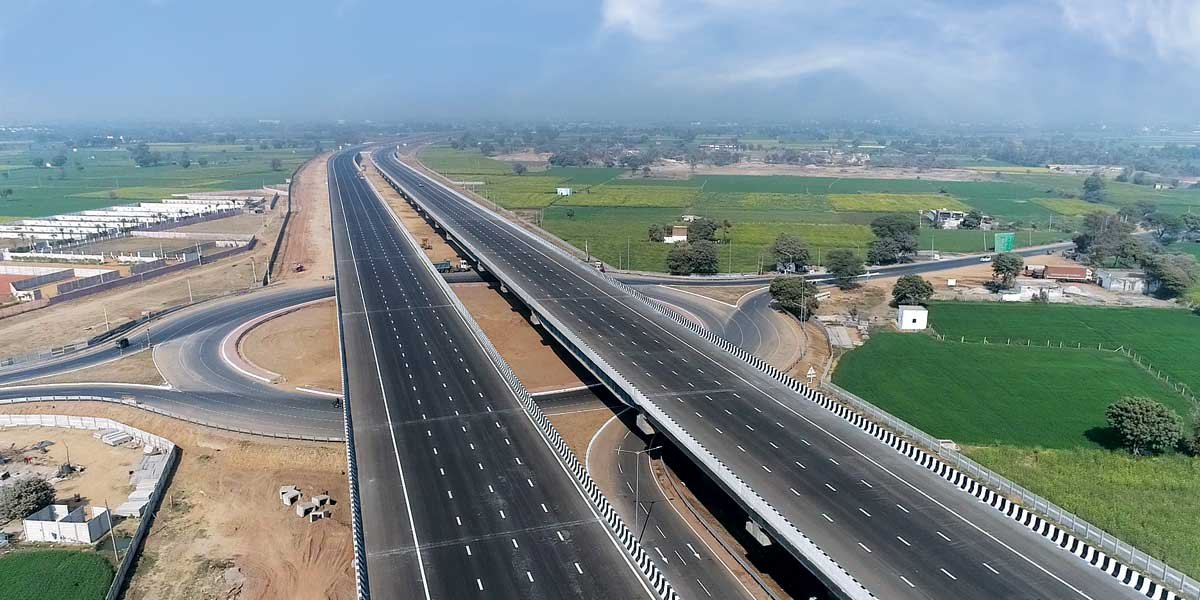
At an estimated cost of ₹2,254 crore, the Union Cabinet has approved the 11.56 km extension of the Noida Metro Aqua Line from Sector 142 to Botanical Garden, with eight new elevated stations to be built over a four-year timeline. Once operational, Noida and Greater Noida will have a combined active metro network of 61.62 km making it one of the most connected secondary cities in the NCR. The project will be executed by the Noida Metro Rail Corporation (NMRC) and received Cabinet approval in a meeting chaired by Prime Minister Narendra Modi.
The Botanical Garden Interchange: A Long-Overdue Fix
The corridor’s most significant infrastructure upgrade is at Botanical Garden station. Currently, passengers switching between the Aqua Line and the Delhi Metro’s Blue and Magenta Lines must alight at Sector 52 and walk to Sector 51 to change trains. The new extension converts Botanical Garden into a direct interchange hub, eliminating that gap entirely. This makes the entire Aqua Line which runs from Noida to Greater Noida seamlessly integrated with Delhi’s core transit network for the first time.
What Falls Along the Corridor
The sectors along the new corridor are among Noida’s most commercially dense. Advant Business Park at Sector 142, Skymark One Mall at Sector 98, Mall of Noida at Sector 93, and major IT employers including Microsoft (Sector 145), TCS (Sector 157), Infosys and Adobe (Sector 132), Cognizant (Sector 135), and Oracle (Sector 127) all fall within the corridor’s catchment. Healthcare and education connectivity will also improve, with Max Super Speciality Hospital at Sector 128 and Amity University at Sector 125 gaining direct metro access. This concentration of employment, retail, and education along a single corridor is what gives the belt its long-term residential demand base.
What It Means for Residential Buyers
For residential buyers, the Sector 142, Sector 93 stretch represents an established mid-segment residential market that has historically lagged on public transport access. Metro connectivity directly addresses the primary friction point for end-users in this belt. Sectors adjacent to the new stations are likely to see renewed buyer interest, particularly from working professionals employed in the IT parks already clustered here.
What It Means for Investors
For investors, the four-year construction timeline means the appreciation window is still open. Historically, metro-adjacent residential prices in NCR see the sharpest movement in the 18-36 months before a corridor becomes operational, as rental demand from construction-phase workers and early occupiers picks up. Secondary market units near confirmed station locations particularly around Sector 142, Sector 93, and Botanical Garden are worth tracking closely over the next two years as NMRC progresses with land acquisition and civil works.