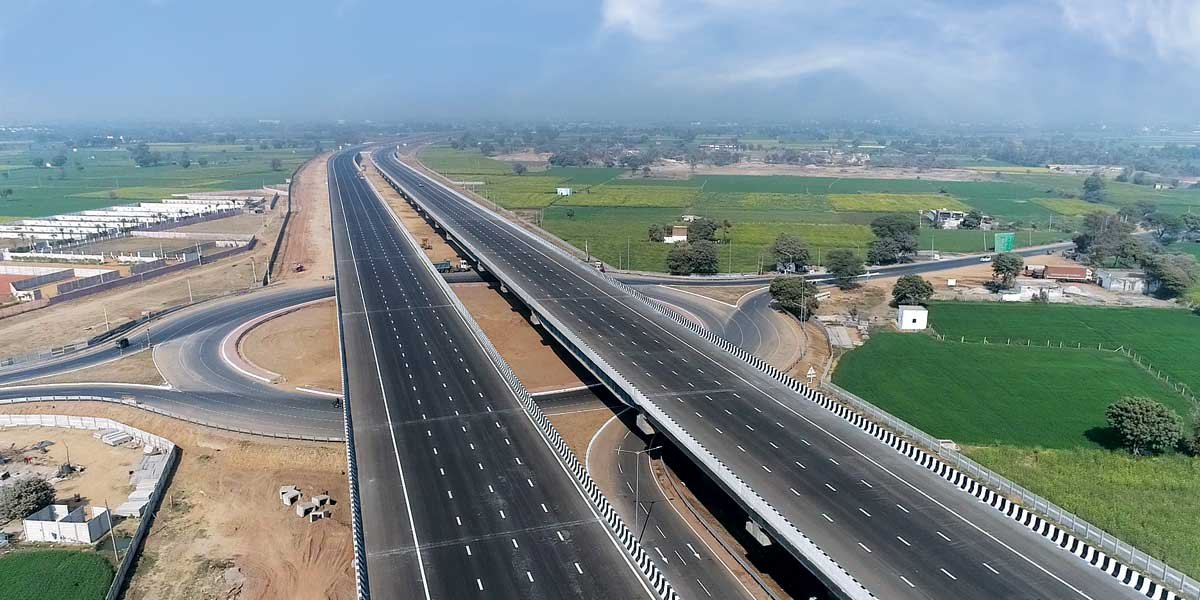
India’s first semi-high-speed regional rail system – The Delhi Meerut Regional Rapid Transit System (RRTS), now branded NaMo Bharat has fundamentally changed intercity commuting across the National Capital Region. Operating as an Electrical Multiple Unit (EMU) system across an operational length of 82.15 km between Sarai Kale Khan and Modipuram, the corridor covers the full Delhi-Ghaziabad-Meerut stretch in approximately 45 minutes. The project received 20% funding from the Government of India, 3.22% from Delhi, and 16.78% from Uttar Pradesh, with the remainder structured through debt financing. Designed and manufactured under the Make in India programme with train design in Hyderabad and manufacturing in Savli, Gujarat. The corridor is developed and operated by the National Capital Region Transport Corporation (NCRTC), a joint venture of the central government and the states of Delhi, Haryana, Rajasthan, and Uttar Pradesh.
How the Corridor Came Phase by Phase
The RRTS became operational in stages. The initial 17 km priority stretch between Sahibabad and Duhai Depot was inaugurated on October 21, 2023. On January 5, 2025, Prime Minister Narendra Modi inaugurated the 13 km extension from Sahibabad to New Ashok Nagar, marking the corridor’s formal entry into Delhi and bringing 55 km of the route into service. The full 82 km stretch commenced operations on February 22, 2026, though extension work between Jangpura and Sarai Kale Khan remains ongoing.
Route, Stations and Multimodal Connectivity
The corridor consists of 22 stations, excluding two depots at Duhai and Modipuram. Key stations along the route include Sarai Kale Khan-Nizamuddin, New Ashok Nagar, Anand Vihar, Sahibabad, Ghaziabad, Guldhar, Duhai, Murad Nagar, Modi Nagar South and North, Meerut South, Partapur, Rithani, Shatabdi Nagar, Brahmapuri, Meerut Central, Bhaisali, Begumpul, MES Colony, Daurli, Meerut North, and Modipuram. Of these, Anand Vihar, Meerut Central, Bhaisali, and Begumpul are underground stations forming part of the corridor’s 11.5 km underground stretch, with the remaining stations elevated.
Multimodal integration is a core feature of the corridor’s design. Sarai Kale Khan connects with the Delhi Metro Pink Line and provides access to Hazrat Nizamuddin Railway Station and ISBT. Anand Vihar integrates with both the Pink and Blue Metro Lines, the railway terminal, and ISBT. New Ashok Nagar, Anand Vihar, and Sahibabad all connect to the Delhi Metro Blue Line making station-to-station transfers seamless for daily commuters.
What It Means for Property Markets Along the Corridor
For property buyers and investors, the NaMo Bharat corridor has materially altered the residential calculus in Ghaziabad and Meerut. Areas previously considered too distant from Delhi for practical daily commuting such as Murad Nagar, Modi Nagar, and Meerut South are now within a 30–40 minute transit window from Central Delhi interchanges. This compression of effective commute time typically triggers a re-rating of residential demand and pricing in catchment zones around stations. Mid-segment and affordable housing projects in the Ghaziabad-Meerut belt, particularly those within walkable or last-mile distance of RRTS stations, stand to benefit most from sustained end-user demand as awareness and ridership grow.