


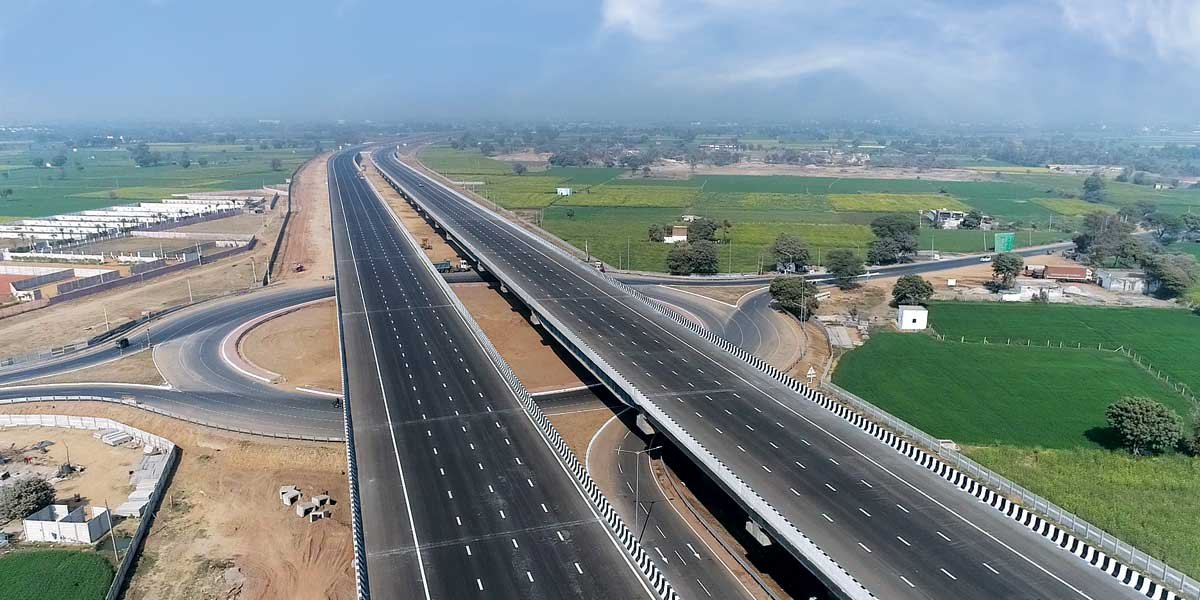
The Delhi government has announced a large-scale Delhi road redevelopment project covering 400 km of road stretches by year-end. More than 241 major roads have been identified for improvement under a comprehensive infrastructure upgrade plan. The total project cost is pegged at ₹802.18 crore. Funding will come largely from the Central Road Infrastructure Fund (CRIF), with partial contribution from the Delhi government.
Technical Upgrades and Funding Structure
Each identified road will undergo technical assessment of the base layer, structural strengthening, and improved drainage systems. Proper drainage arrangements are expected to reduce waterlogging during the monsoon season and enhance long-term road durability.
The government clarified that the work will be executed in phases to minimise traffic disruption. A fully levelled and sealed surface across the complete width is also expected to reduce dust and airborne particles caused by damaged roads an issue linked to urban air pollution.
Key Highlights
- 400 km of road stretches to be revamped
- 241 major roads identified
- Total cost: ₹802.18 crore
- ₹643.36 crore funded via CRIF
- ₹158.82 crore funded by Delhi government
- Wall-to-wall carpeting model for full-width redevelopment
- Focus on drainage, durability, and dust reduction
Why This Matters for Delhi’s Real Estate Micro-Markets
Road infrastructure plays a direct role in property values, rental demand, and commercial viability across Delhi’s micro-markets. Major arterial roads connect residential hubs, office districts, retail corridors, and transit nodes. Upgraded infrastructure typically improves commute times, reduces vehicle wear and tear, and enhances neighbourhood liveability.
For residential micro-markets, better roads can strengthen buyer sentiment, especially in areas affected by recurring potholes or monsoon-related waterlogging. In commercial zones, smoother connectivity supports logistics, footfall, and business operations.
Practical Takeaways for Buyers and Investors
For homebuyers, improved road quality can translate into better daily commute conditions and potentially improved resale appeal over time. Investors tracking rental housing demand should monitor whether upgraded roads enhance accessibility to employment hubs and metro stations.
Commercial property investors may evaluate whether specific identified corridors include high-density office or retail clusters, as infrastructure upgrades often improve tenant attractiveness.