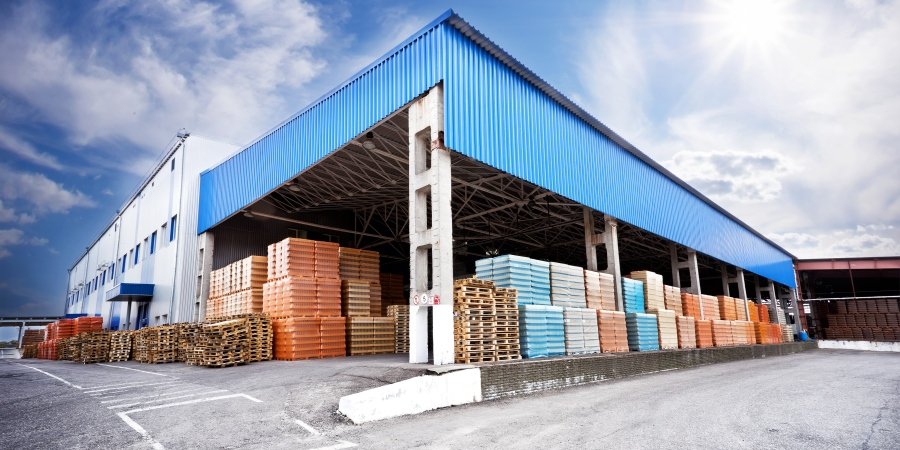

India’s warehousing sector surpassed 610 million sq ft of total stock in 2025, according to a JLL report released on February 5, shared at LogiMAT India 2026 in Mumbai.
Eight Tier I cities – Delhi-NCR, Mumbai, Pune, Bengaluru, Chennai, Hyderabad, Ahmedabad, and Kolkata – account for nearly 82% of total supply, or approximately 498 million sq ft. Grade A warehouses now represent 53% of total stock, with institutional-backed assets forming 38% of quality supply.
JLL projects the market to expand by 28% over the next five years, reaching approximately 850 million sq ft by 2030. Demand is led by third-party logistics players and e-commerce companies, with light manufacturing emerging as a growing occupier segment.
Location Context: Tier I Anchors and Tier II Rising
Tier I markets continue to dominate warehousing demand, with Delhi-NCR and Mumbai serving as the largest consumption and distribution hubs. However, the report signals a meaningful geographic shift. Cities like Lucknow and Kochi have individually crossed one million sq ft in annual absorption reflecting occupiers’ preference for diversified, resilient supply chains that reduce dependence on gateway cities. Improving road infrastructure, expanding consumer bases, and lower land costs are accelerating Tier II warehousing growth across India’s heartland cities.
What This Means for Investors and Developers
For real estate investors, the warehousing sector presents one of India’s clearest long-term demand stories. The combination of e-commerce growth, manufacturing expansion under PLI schemes, and rising 3PL activity is driving sustained absorption across both established and emerging markets.
For developers and institutional players, the shift toward Grade A and automation-enabled facilities is redefining asset specifications. According to Yogesh Shevade, Head of Logistics and Industrial at JLL India, warehouses are evolving beyond traditional storage into technology-driven fulfilment centres — integral to India’s modern logistics ecosystem.
Automation investments in warehousing are estimated to deliver returns within two to three years, making upgraded facilities increasingly attractive to institutional capital seeking stable, income-generating industrial assets.