
Chandigarh, March 2026 – The Haryana Cabinet has approved a new policy to regulate the use of land designated for mixed land use, bringing clarity to zoning norms and unlocking several projects that had remained stalled. Mixed land use areas permit a combination of residential, commercial, institutional and, in certain cases, industrial activities. However, the absence of clear guidelines on usage proportions had delayed approvals and hindered development. Under the revised policy, residential, commercial and institutional uses in mixed land use zones shall be permitted, irrespective of any percentage cap relative to the net planned area of the relevant sector or zone. Industrial activity, wherever already permitted, will be confined to current levels with no scope for further expansion. Landowners will have the flexibility to convert such land into other approved uses in accordance with policy provisions. Simultaneously, the cabinet approved a 10–12% hike in allotment rates for flats under the Affordable Group Housing Policy with Gurugram’s maximum rate rising to ₹5,575 per sq ft, Faridabad and Sohna to ₹5,450, and Panchkula and similar towns to ₹5,050 per sq ft.
What the Policy Change Resolves
The previous framework for mixed land use zones in Haryana required developers and landowners to maintain specific percentage ratios between residential, commercial, and institutional uses, a requirement that frequently made projects financially unviable or triggered disputes with planning authorities over compliance. Projects where market demand shifted after initial planning approvals were particularly affected, as any deviation from approved ratios required fresh approvals and often triggered lengthy litigation.
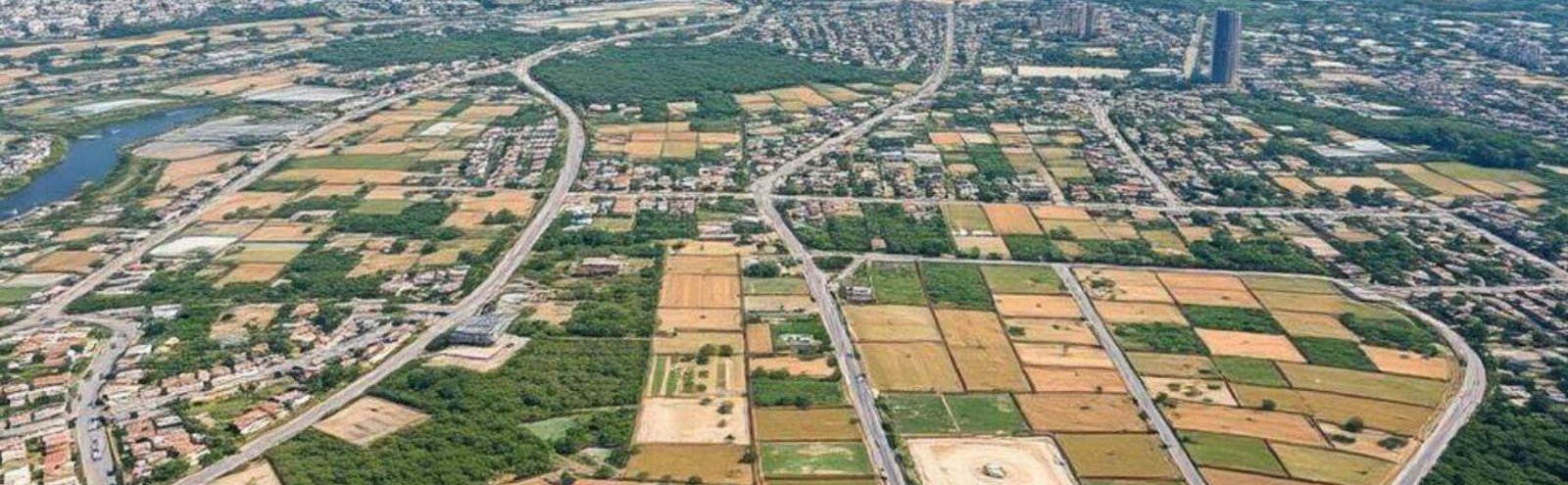
The move is expected to streamline approvals, boost urban development and accelerate long-pending real estate and infrastructure projects across the state. The reform is particularly relevant for Gurugram, Faridabad, Panchkula, and Sohna where large mixed-use land parcels have remained under-utilised or incompletely developed due to zoning inflexibility.
Location Context: Gurugram and Haryana’s Urban Growth Agenda
Haryana’s urban development framework is being comprehensively reformed in 2026, with HSVP, which absorbed the Haryana Housing Board in February 2026, now managing a broader mandate covering housing for economically weaker sections alongside its traditional planned sector functions. New Gurgaon corridors including NH-48 and Pataudi Road have been targeted for mixed-use and commercial development under HSVP’s expanded land procurement programme and the removal of rigid percentage caps now gives developers in these corridors significantly more flexibility to respond to market demand.